Production release
Confirm the approved configuration, file versions, appearance standard, accessories, packaging, quantities, and inspection basis.
Turn the approved sample and production files into a controlled sequence of material preparation, assembly, testing, packing, and shipment checks.
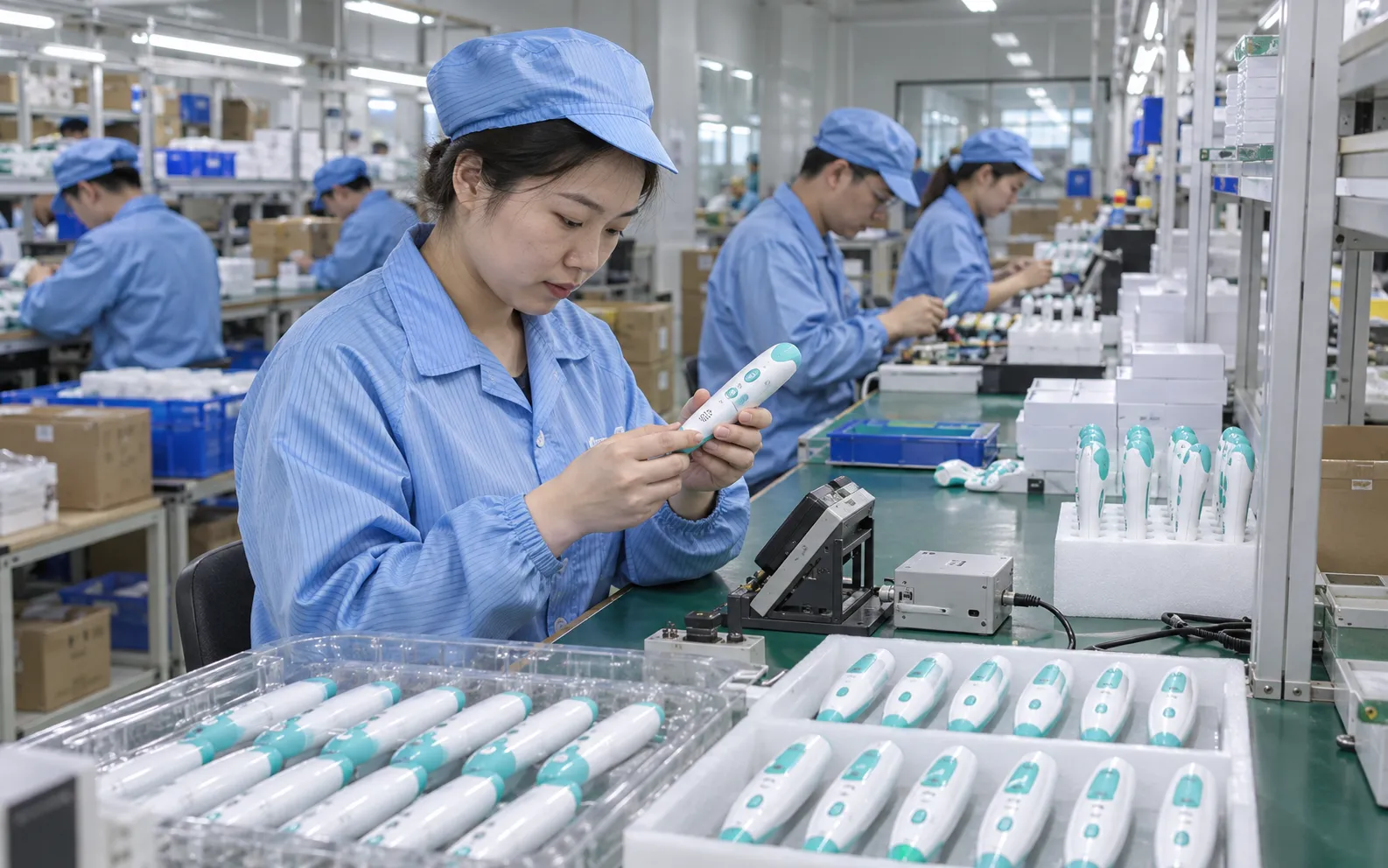
Approved sample, controlled files, bill of materials, packaging specification
Incoming preparation, assembly, functional checks, appearance, and pack-out
Forecast, approval timing, market requirements, inspection plan, and shipping terms
A factory tour or equipment list provides only part of the picture. For a talking pen project, buyers also need to understand how the approved sample, audio files, firmware, printed materials, accessories, packaging, and inspection criteria are released into production.
Our project framework is organized around reviewable checkpoints. The exact equipment, line arrangement, test scope, capacity, and documentation should be confirmed against the final model and order plan before production.
Confirm the approved configuration, file versions, appearance standard, accessories, packaging, quantities, and inspection basis.
Check key parts, housings, printed items, charging accessories, packaging components, and identification before assembly.
Control assembly steps, firmware or content loading, button response, charging behavior, and unit identification as applicable.
Verify the correct pen, accessories, inserts, labels, inner packs, cartons, quantities, and required shipment documents.
Production evidence
Assembly, functional testing, and pack-out checks make the production workflow easier for a buyer to evaluate.
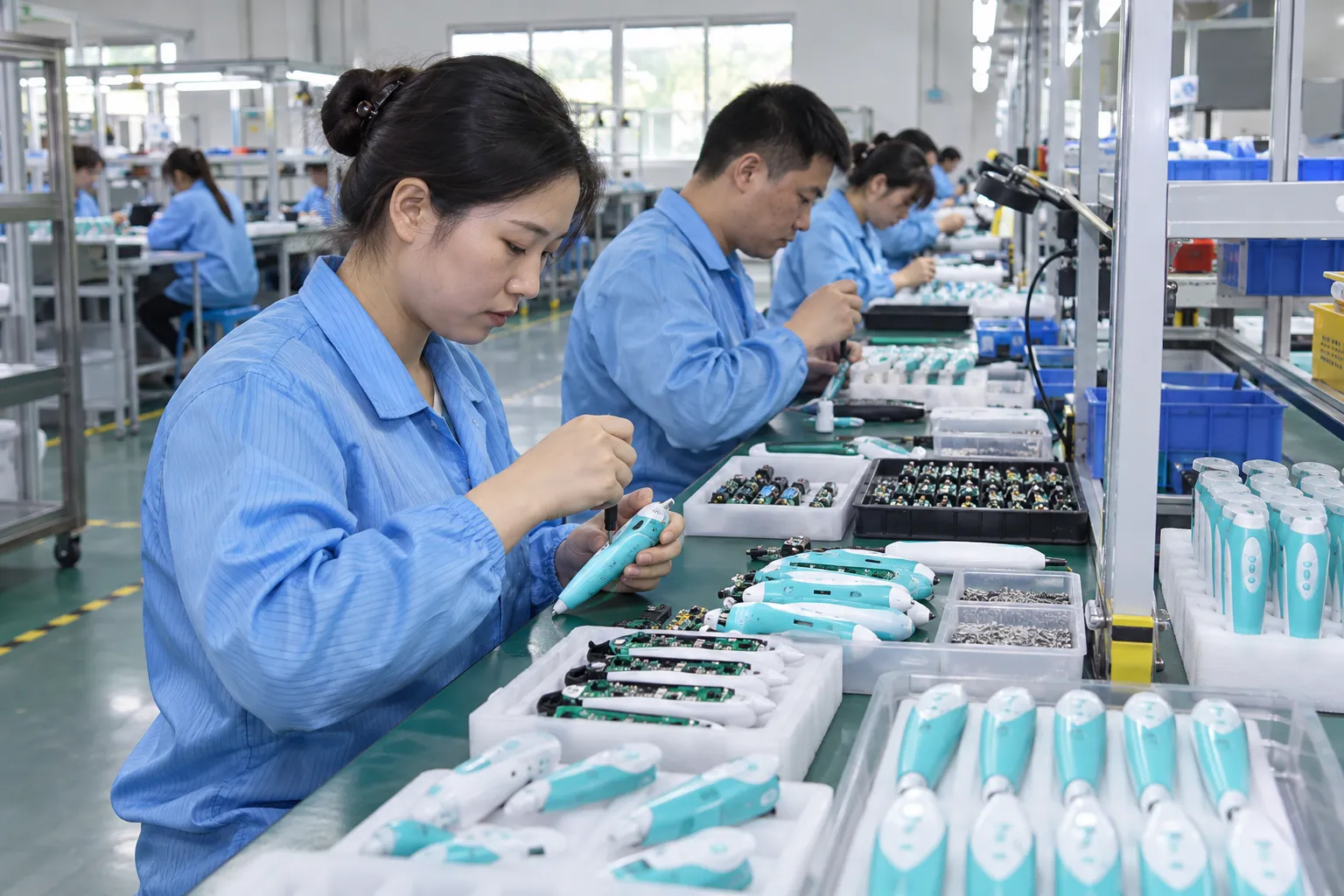
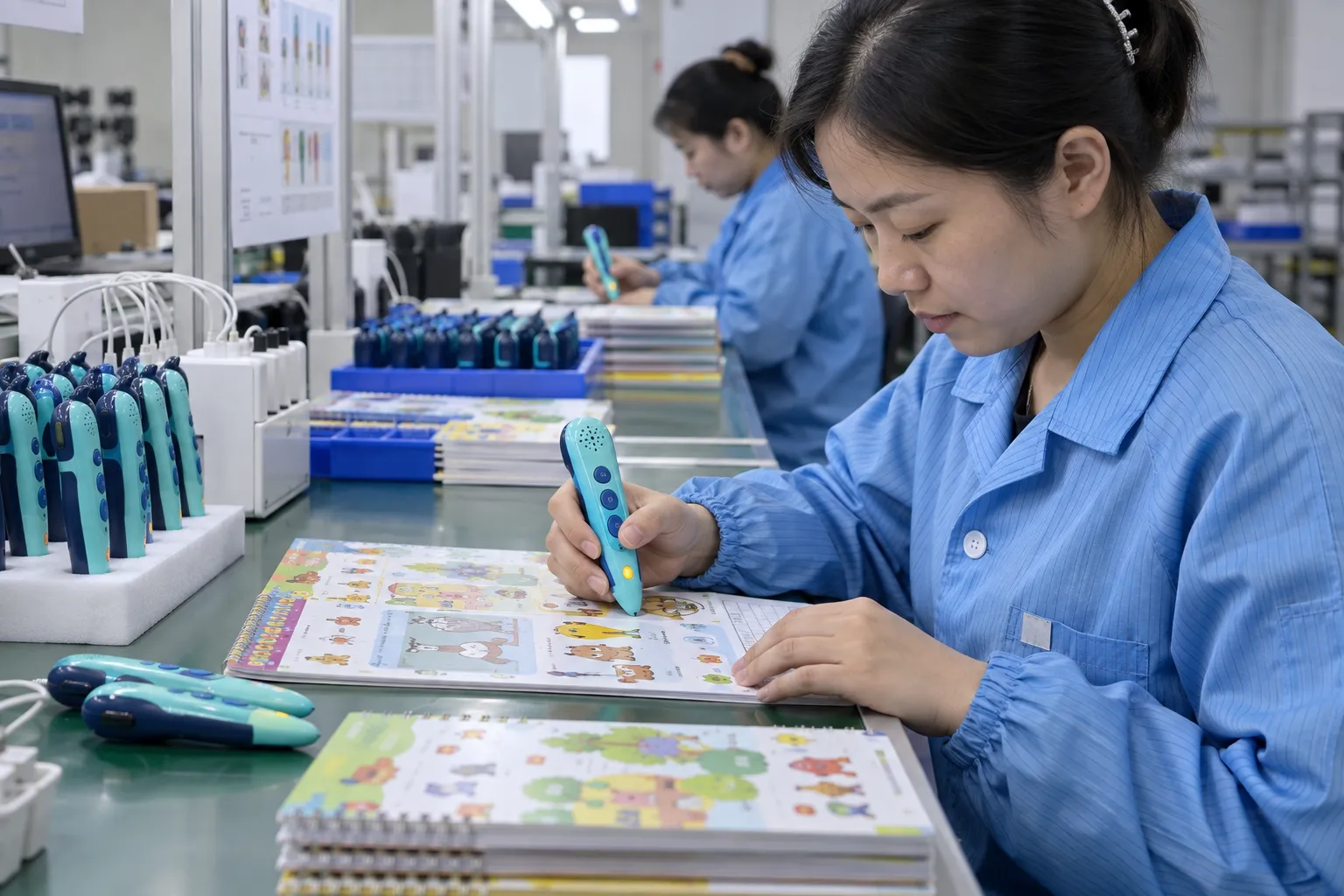
Demonstration photography shows the evidence a buyer should request. Replace it with current, date-stamped photos from the verified production site before launch.
Use this framework to make supplier discussions, quotations, samples, and approvals more comparable.
| Checkpoint | Evidence to request | Buyer decision |
|---|---|---|
| Pre-production | Approved sample, released files, BOM and packaging specification | Confirm which sample and file set control the order |
| Incoming preparation | Material identification and agreed incoming checks | Identify components that need added attention |
| In-process control | Work instructions and recorded functional checks | Agree test coverage and sampling method |
| Final inspection | Function, appearance, accessories, labeling, and pack-out records | Approve acceptance criteria and reporting format |
| Shipment release | Carton count, marks, quantities, documents, and inspection result | Confirm release authority and shipping terms |
Release only the approved configuration, content files, artwork, and pack-out specification.
Translate the product requirements into work instructions and test checkpoints.
Run assembly and checks with traceable project files and agreed escalation rules.
Confirm function, appearance, packaging, quantity, and shipment preparation before dispatch.
Share your market, books, functions, content status, quantity range, packaging, and timing. We’ll use them to organize the questions that need answers before sampling.
Send Your RequirementsThese answers provide a planning basis. Final scope should always be confirmed for the exact product and destination market.
Audit and inspection arrangements depend on location, timing, project stage, and confidentiality requirements. Define the scope and responsible third party early so the necessary records and access can be prepared.
It should begin from a clearly agreed release point, normally after commercial terms, approved samples, production-ready files, materials, and other buyer dependencies are confirmed.
Material, component, firmware, color, packaging, or process changes should be documented, reviewed for impact, and approved where they affect the confirmed product or compliance basis.
Send your current requirements, even if some details are still open. A structured first review can identify the missing decisions before they delay sampling.