Product + content
Coordinate hardware, printed media, audio, accessories, and packaging.
Interactive learning product portfolio
Build screen-free learning products around your content, target age, market, brand, packaging, and launch plan.
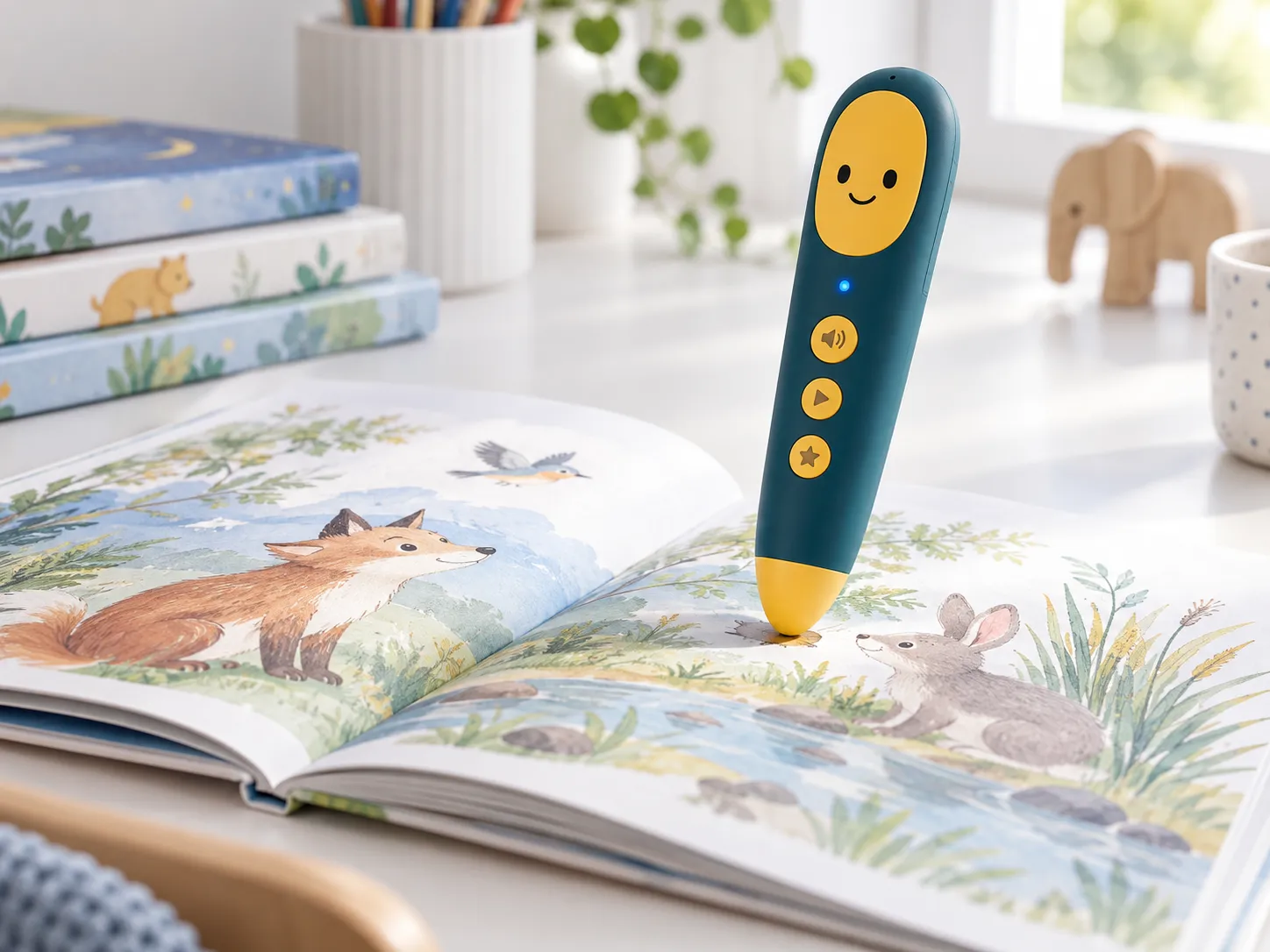
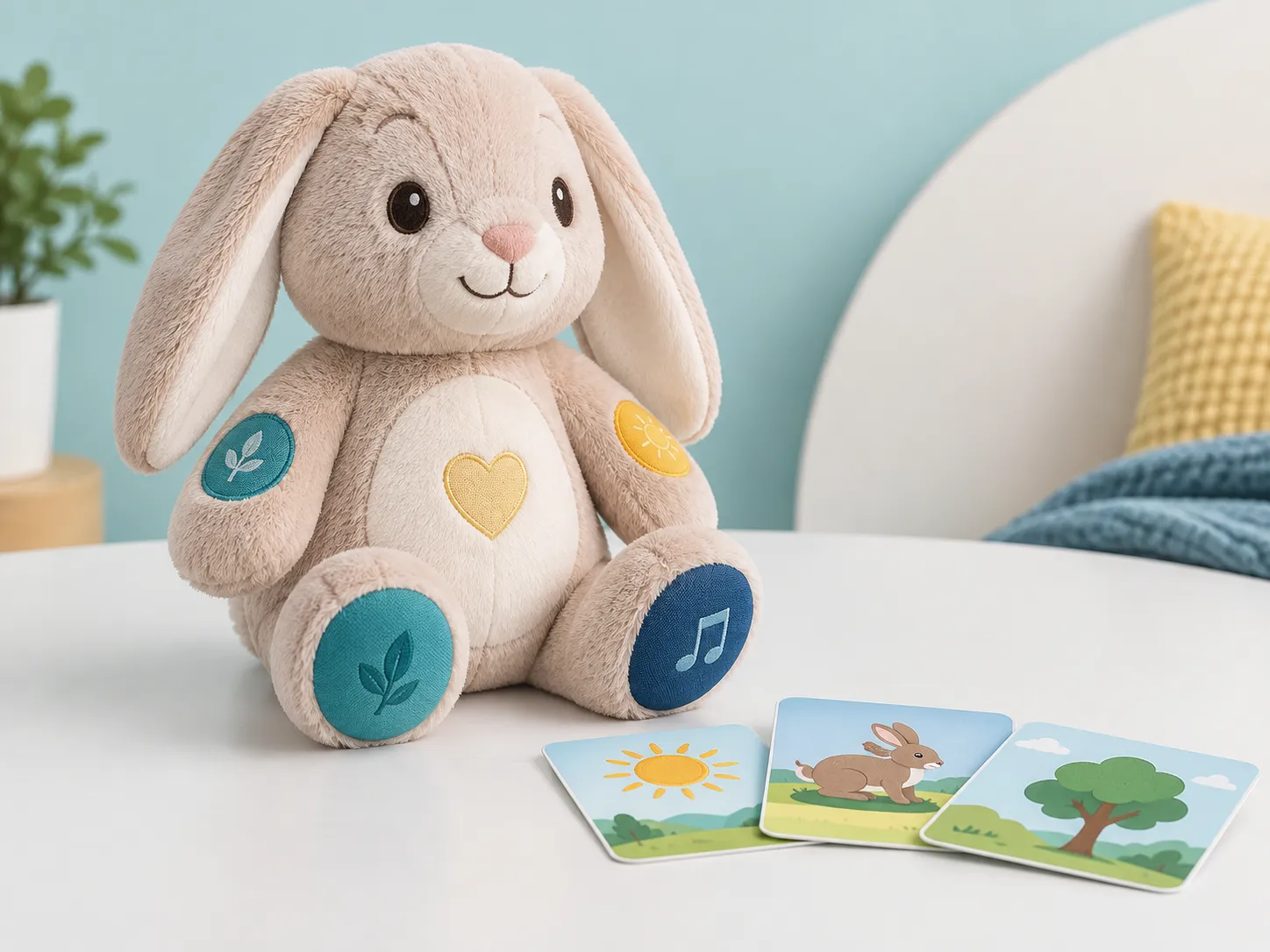
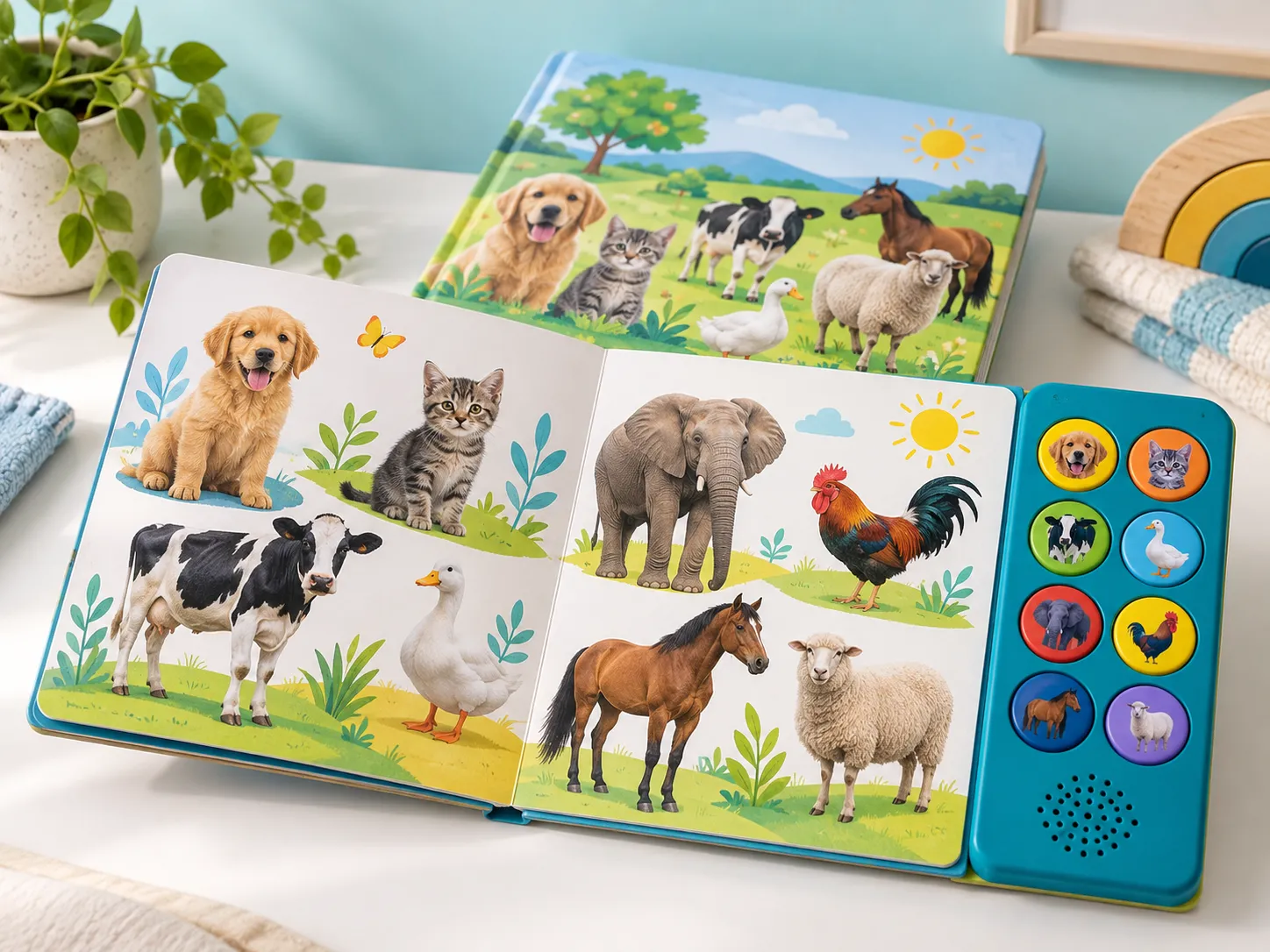
Coordinate hardware, printed media, audio, accessories, and packaging.
Start from user needs, then define the practical customization scope.
Review integrated samples and release production-ready files.
Confirm function, appearance, pack-out, quantity, and documents.
Choose by learning experience
Each family needs its own interaction, content, testing, and packaging plan. Select a category to review the key buyer decisions.
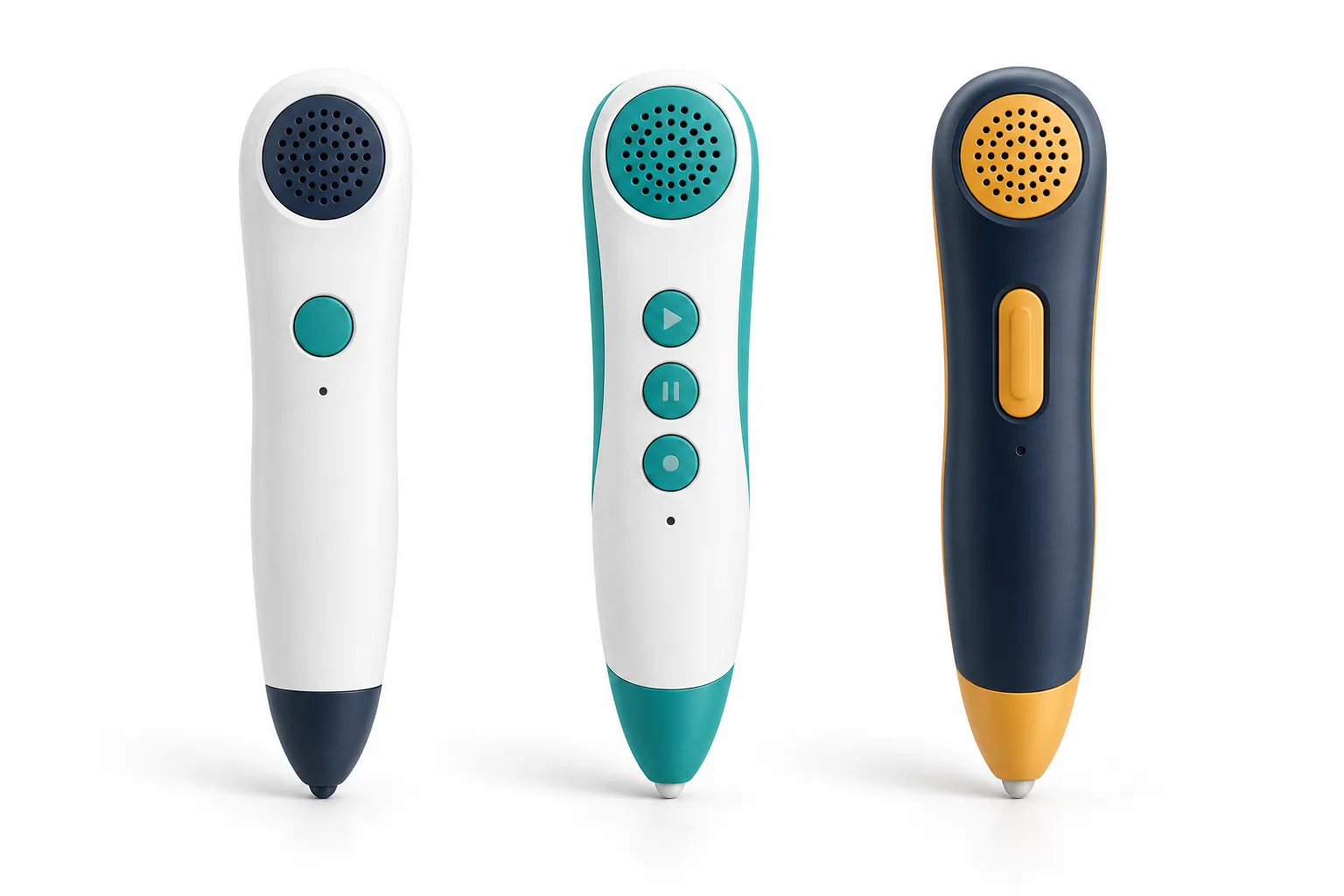 View product details
OEM talking pen hardware coordinated with OID-coded books, mapped audio, learning controls, accessories, testing, and retail packaging.
View product details Soft character products that combine touch interaction, voice content, learning prompts, and a brandable play experience.
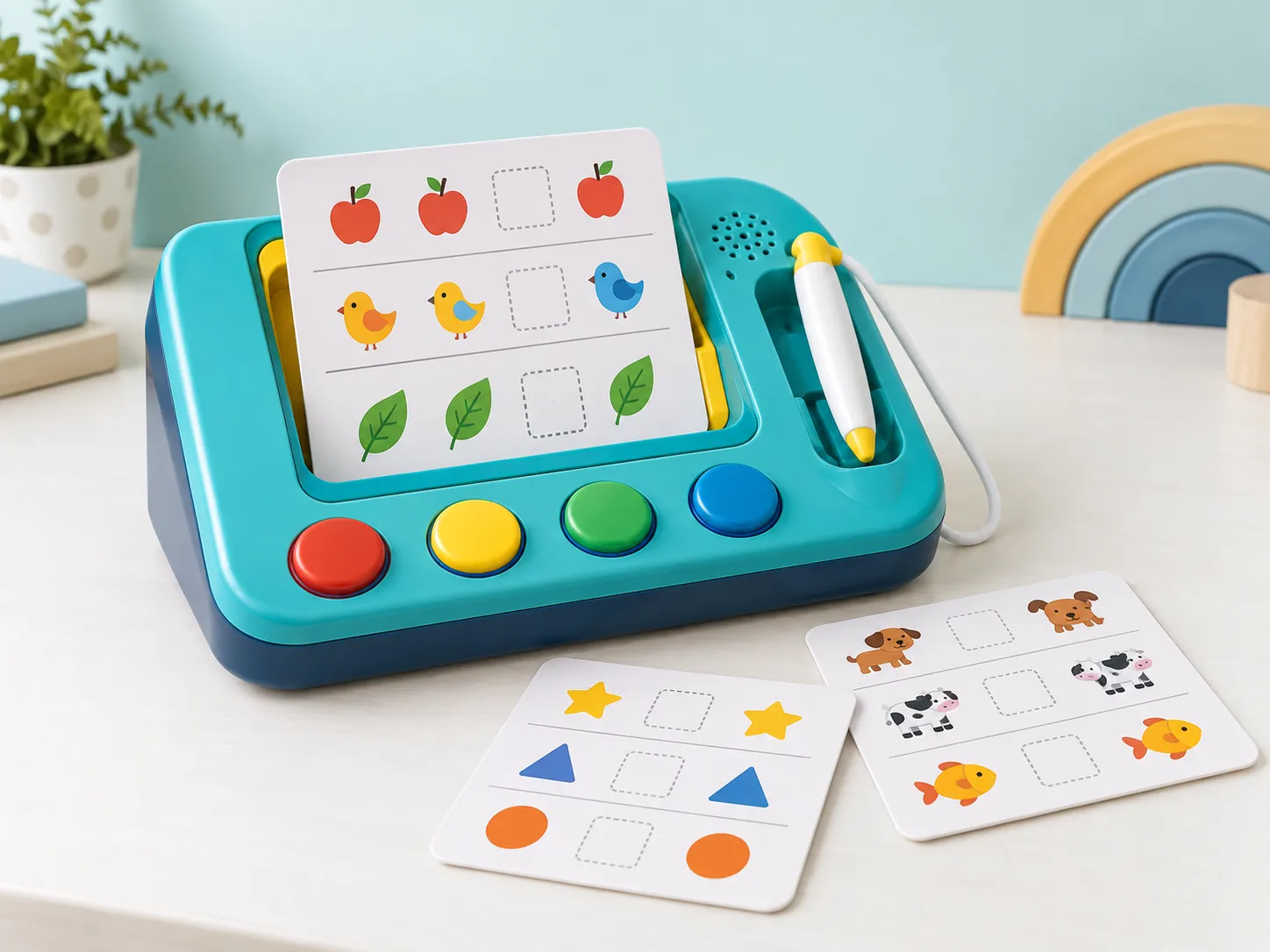 View product details
Activity-based learning machines planned around logic games, matching tasks, number skills, and progressive challenge levels.
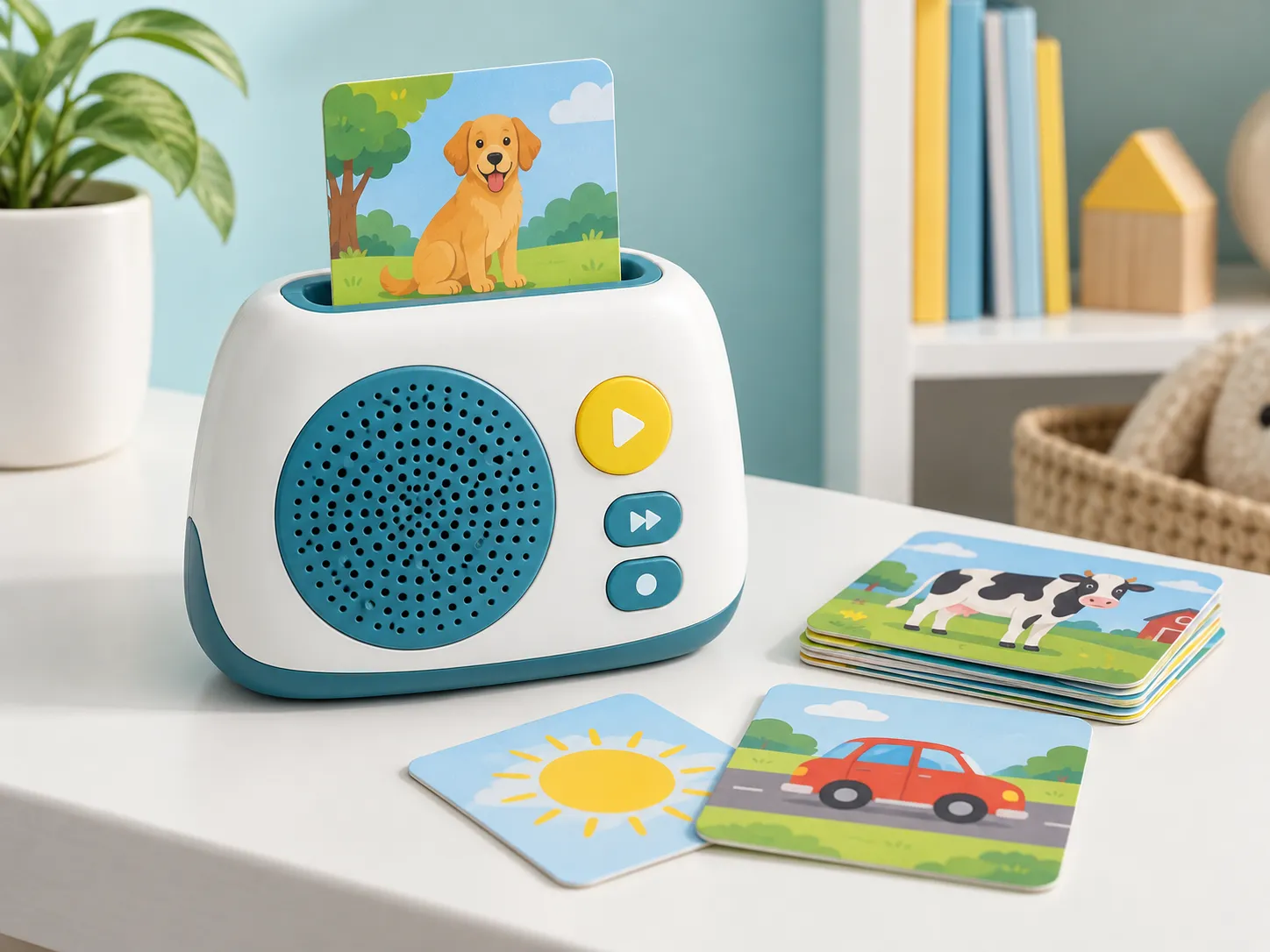 View product details
Child-friendly audio players that trigger songs, stories, vocabulary, or learning prompts when a themed card is inserted.
View product details Printed learning and story books with built-in sound modules, buttons, or page-linked audio experiences.
Better first quotations
A useful brief includes the target user, market, learning or play flow, required functions, content status, language, estimated quantity, packaging, and target launch date. Reference products are helpful when their purpose is clearly explained.
Start Your Project BriefShare the product family, target market, content concept, quantity range, packaging needs, and timing. We’ll help organize the decisions before sampling.